
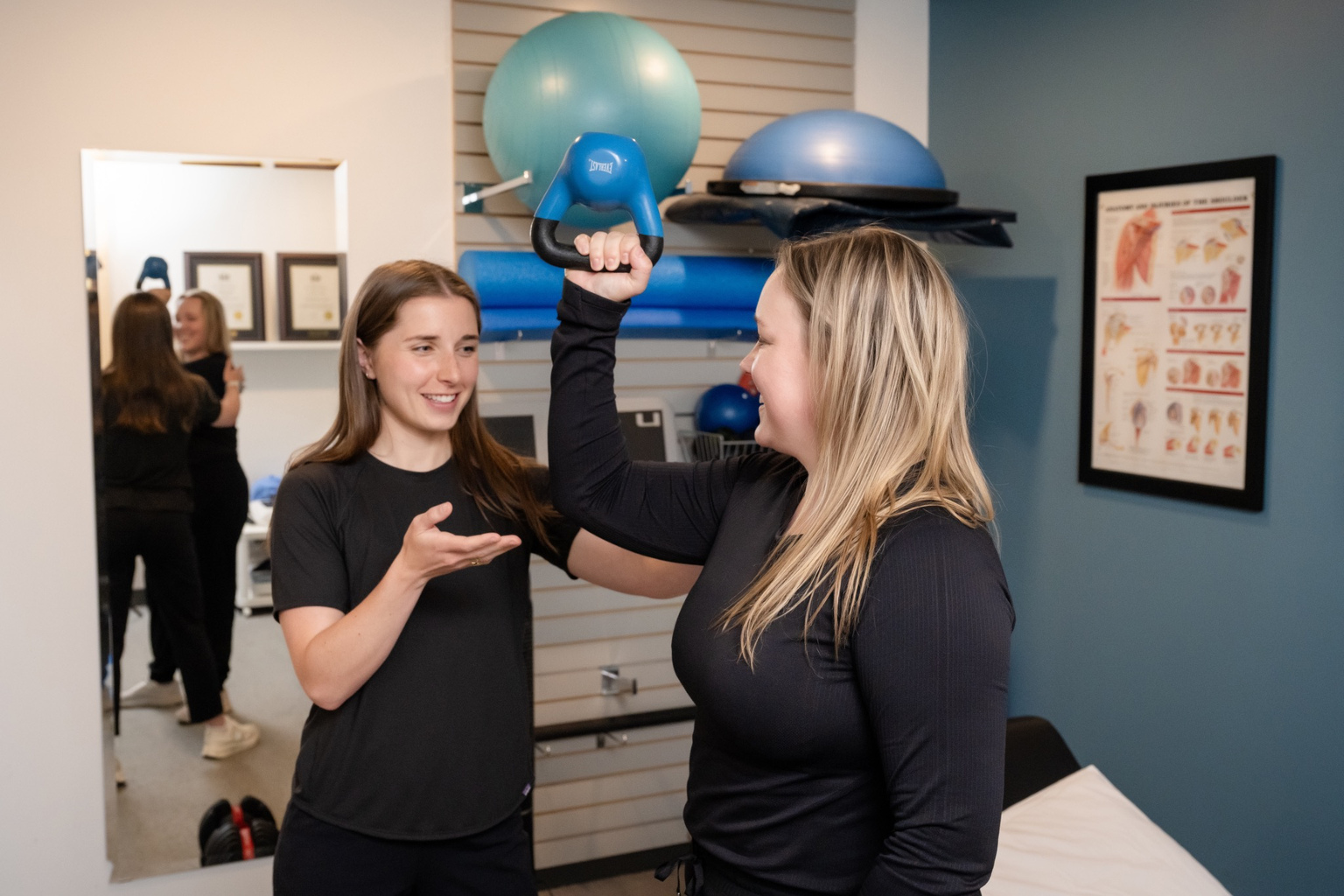
Physiotherapy in Halifax
Reduce Pain. Restore Movement. Regain Confidence.
What Is Physiotherapy?
Physiotherapy is a healthcare profession focused on assessing, diagnosing, treating, and preventing conditions affecting the muscles, joints, nerves, and movement of the body. Physiotherapists are healthcare professionals who use a combination of clinical assessments and evidence-informed treatments to help improve physical function, manage pain, and support recovery. Depending on your individual needs, physiotherapy may include:
- Manual Therapy: Hands-on techniques to help improve joint mobility, reduce muscular tension, and relieve discomfort.
- Therapeutic Exercise: Individualized exercises designed to improve strength, flexibility, stability, and movement patterns.
- Injury Education: Helping you understand your condition and providing strategies to manage symptoms and prevent recurring problems.
- Movement Rehabilitation: Addressing limitations in mobility, balance, coordination, and everyday function.
- Specialized Treatment Modalities: Incorporating treatments such as laser therapy, shockwave therapy, electrotherapy, cupping or dry needling when appropriate.
What to Expect During Your Physiotherapy Appointment
Your first physiotherapy appointment begins with a comprehensive musculoskeletal assessment to better understand your symptoms, health history, and treatment goals.
Your physiotherapist will discuss your concerns and may assess:
- Joint mobility and range of motion
- Muscle strength and flexibility
- Posture and movement patterns
- Balance and coordination
- Areas of pain, stiffness, or muscular tension
- Functional limitations affecting daily activities, work, or sports
How Long Is My Initial Physiotherapy Assessment?
Your initial physiotherapy assessment typically lasts 45–60 minutes, depending on the complexity of your condition and individual needs.
This allows your physiotherapist time to review your health history, perform a thorough assessment, discuss your diagnosis, and develop an appropriate treatment plan.
How Long Are Follow-Up Physiotherapy Appointments?
Follow-up physiotherapy appointments generally last 20–30 minutes, depending on your condition and treatment needs. At Maritime Chiropractic & Wellness, our physiotherapy appointments are one-on-one with your physiotherapist, allowing for focused, individualized care throughout your treatment.
What Should I Wear to My Physiotherapy Appointment?
We recommend wearing comfortable clothing that allows you to move freely and provides access to the area being assessed or treated.
For example:
- Knee or Hip Concerns: Shorts or loose-fitting athletic pants.
- Shoulder or Neck Concerns: A tank top or comfortable, loose-fitting shirt.
- Back Pain: Comfortable clothing that allows you to bend and move easily.
- Sports Injuries: Athletic clothing and, when appropriate, the footwear you normally use for your activity.
What Physiotherapy Treatments Do We Offer?
- Manual Therapy: Hands-on techniques, including joint mobilizations and soft tissue treatment, to help improve mobility and reduce discomfort.
- Individualized Exercise Programs: Targeted exercises designed to improve strength, flexibility, stability, and functional movement.
- Injury Education and Prevention: Guidance to help you understand your condition, manage symptoms, and reduce the risk of recurring injuries.
- Return-to-Sport Rehabilitation: Progressive rehabilitation programs designed to help athletes safely return to their activities.
- Vestibular Assessment and Rehabilitation: Specialized assessment and treatment for certain causes of dizziness, vertigo, and balance difficulties.
- BioFlex Laser Therapy: A non-invasive treatment using therapeutic light, which may be incorporated into care for certain musculoskeletal conditions.
- Shockwave Therapy: A non-invasive treatment that delivers acoustic waves to targeted tissues and may be beneficial for certain persistent tendon-related conditions.
- Therapeutic Ultrasound: A treatment modality that uses sound waves and may be incorporated into rehabilitation when clinically appropriate.
- Electrical Stimulation (TENS, IFC, and Microcurrent): Techniques that use controlled electrical currents to help manage certain types of pain and discomfort.
- Dry Needling: A targeted technique using fine, sterile needles to address certain types of muscular pain and movement restrictions, when appropriate.
What Conditions Can Physiotherapy Help With?
Physiotherapy can be beneficial in the assessment and management of a wide range of musculoskeletal, movement-related, and certain vestibular conditions.
Common conditions we treat include:
- Neck and back pain
- Muscle strains and ligament sprains
- Tendinitis and tendinopathy
- Tennis elbow and golfer’s elbow
- Shoulder pain and rotator cuff injuries
- Frozen shoulder
- Hip and knee pain
- Ankle and foot injuries
- Sciatica and radiculopathy
- Disc herniations and disc-related pain
- Chronic musculoskeletal pain
- Postural discomfort and movement dysfunction
- Tension headaches and certain neck-related headaches
- Sports-related injuries
- Repetitive strain injuries
- Joint stiffness and restricted mobility
- Balance and coordination difficulties
- Vestibular conditions, including Benign Paroxysmal Positional Vertigo (BPPV)
- Dizziness associated with certain vestibular disorder.
Do I Need a Referral for Physiotherapy?
No referral is required!
Physiotherapists are primary-contact healthcare professionals, meaning you can book an appointment directly without first seeing your family doctor. Many extended health insurance plans provide coverage for physiotherapy services. However, some insurance providers may require a physician’s referral for reimbursement, so we recommend confirming the details of your individual benefits plan before your appointment.
What If My Injury Happened at Work?
Unfortunately we do not deal with WCB cases. If you’ve experienced a workplace injury, you may be eligible for physiotherapy treatment through the Workers’ Compensation Board (WCB) of Nova Scotia. If your injury is being managed through a WCB claim, we recommend contacting your WCB caseworker or adjuster to confirm your treatment options and whether you need to attend an approved WCB clinic. If you’re managing your workplace injury through personal insurance rather than a WCB claim, you may be able to book physiotherapy directly at our clinic.
What If I Was Injured in a Motor Vehicle Accident?
Yes we deal and treat MVA cases! If you’ve been involved in a motor vehicle accident, physiotherapy may help you manage pain, restore mobility, and recover from musculoskeletal injuries.We recommend contacting your automobile insurance provider as soon as possible to report the accident and confirm your treatment coverage. Once the appropriate insurance arrangements have been confirmed, you can book a physiotherapy assessment. Your physiotherapist will evaluate your injuries, discuss your symptoms, and develop an individualized treatment plan based on your recovery needs.
Book Your Physiotherapy Appointment Today
Move Better. Feel Better. Live Better.